
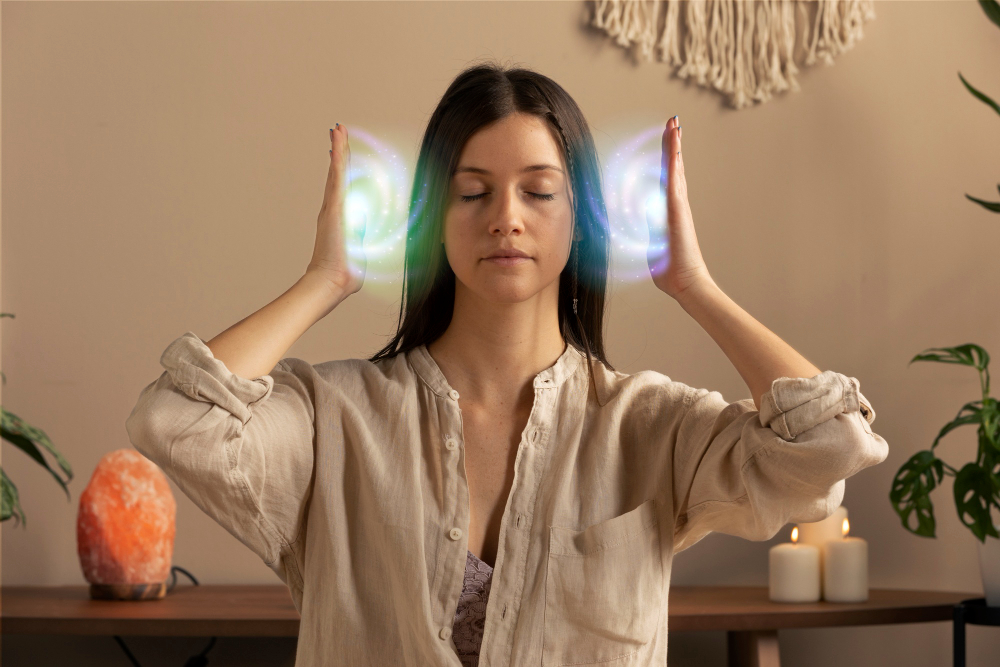
Introduction
There are moments when a piece of music does more than just sound pleasant.
It touches something deeper.
It slows the mind… softens emotions… and creates a sense of calm that feels almost effortless.
In India, this is not a new discovery.
For centuries, Indian classical music has been understood not just as an art form, but as a subtle science of sound and consciousness.
Today, this ancient wisdom is finding its place in modern healing practices under what is often called raga therapy or music therapy using Indian classical music.
But is this just philosophy… or is there something real behind it?
What is Raga Therapy?
A raga is not just a musical scale.
It is a structured arrangement of notes designed to evoke a specific emotional and psychological response.
Each raga carries:
- A particular mood (bhaav)
- A specific time of the day
- A unique emotional colour
- Certain ragas are known to create calmness and introspection
- Some evoke joy and openness
- Others help in release of deep emotional states
This is where Indian classical music becomes more than performance – it becomes a tool for inner alignment.
How Does It Work? (Simple Understanding)
- The slow progression of notes reduces mental speed
- The repetition and patterns stabilise attention
- The tonal quality (swara) creates subtle vibrations in the body
This combination gradually shifts the nervous system from:
- Restlessness → Calmness
- Overthinking → Awareness
- Emotional heaviness → Release
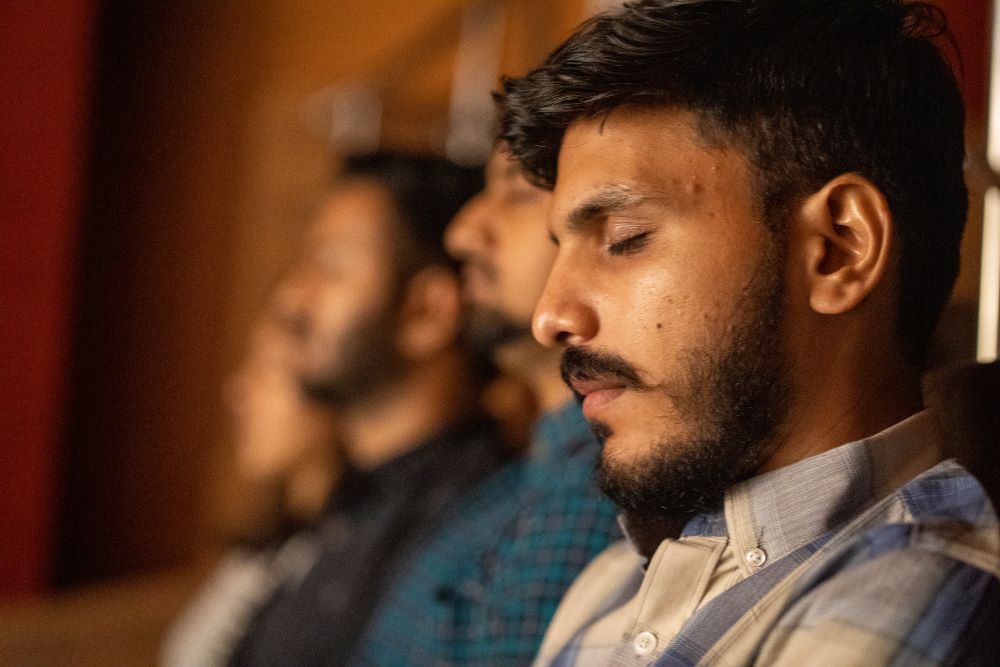
In modern terms, it helps activate the relaxation response, similar to meditation.
A Real-Life Example
A young entrepreneur once shared:
“I don’t feel stressed exactly… but my mind never stops. Even at night, I feel mentally active.”
Instead of giving him silence-based meditation (which felt difficult for him), we introduced:
- Listening to a specific evening raga for 20 minutes
- No effort to control thoughts
- Just simple awareness of sound
Initially, he said:
“My mind still wanders while listening.”
But within a week, something changed.
“Now, I don’t realise when the music ends… I feel calmer without trying.”
- Sleep improved
- Mental fatigue reduced
- He started experiencing natural pauses in thinking
This is the subtle power of raga-based music – it does not force stillness… it invites it.
Why Indian Classical Music is Unique for Healing
Unlike most modern music, Indian classical music:
- Is not rushed
- Has space, silence, and gradual unfolding
- Focuses on microtones and subtle transitions
- Works more on internal experience than external stimulation
- Anxiety
- Emotional imbalance
- Mental fatigue
- Sleep disturbances
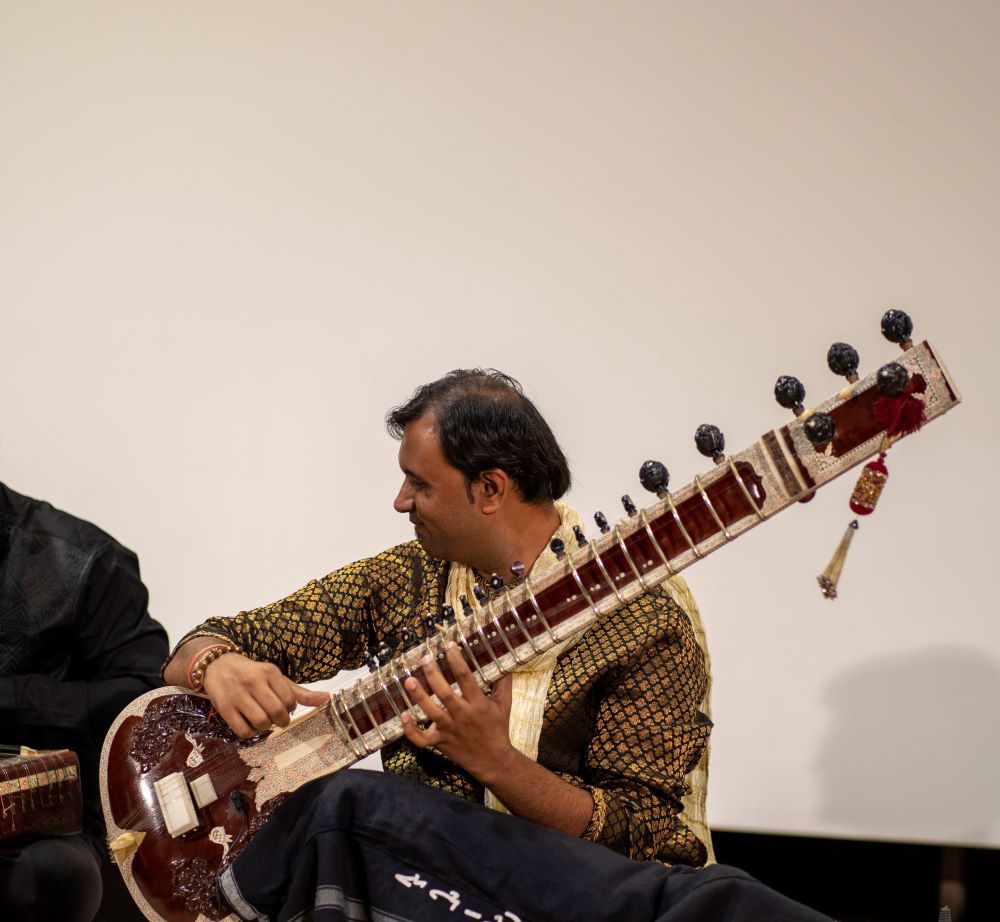
Is There Scientific Support?
- Anxiety and stress reduction
- Sleep improvement
- Emotional regulation
But beyond science, its true strength lies in direct experience.
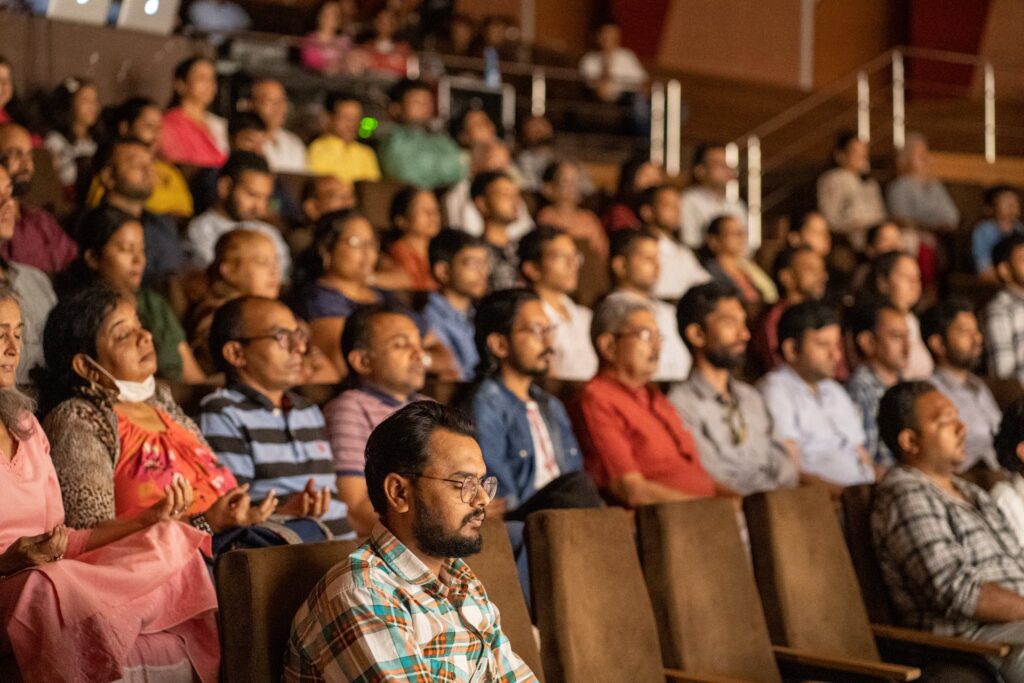
Can You Practice It on Your Own?
- Choose instrumental Indian classical music (preferably slow tempo)
- Sit quietly for 15–20 minutes
- Avoid multitasking
- Just listen with awareness
However, for deeper results, guided sessions help because:
- Ragas are selected intentionally
- The listening is structured
- The emotional journey is supported
A Deeper Perspective
Can You Practice It on Your Own?
Sometimes, it is about removing the noise that keeps the mind restless.
Indian classical music works in that subtle space.
It does not try to change you— it gently creates the conditions where change happens naturally.
